In 2026, the “digital nomad” lifestyle is no longer just for backpacking twenty-somethings. A growing number of retirees are embracing the same freedom using the Special Resident Retiree’s Visa (SRRV) to build a retirement that blends long-term residency with remote consulting, passion projects, and a reliable internet connection.
While Manila once seemed like the obvious base because of its infrastructure, many retirees are now choosing a different path. In 2026, the trend is shifting toward “secondary cities”—places that offer strong connectivity, lower costs, and a far better pace of life.
Here are five Philippine cities where retirees are finding a better balance of comfort, community, and connectivity.
Dumaguete: The City of Gentle People
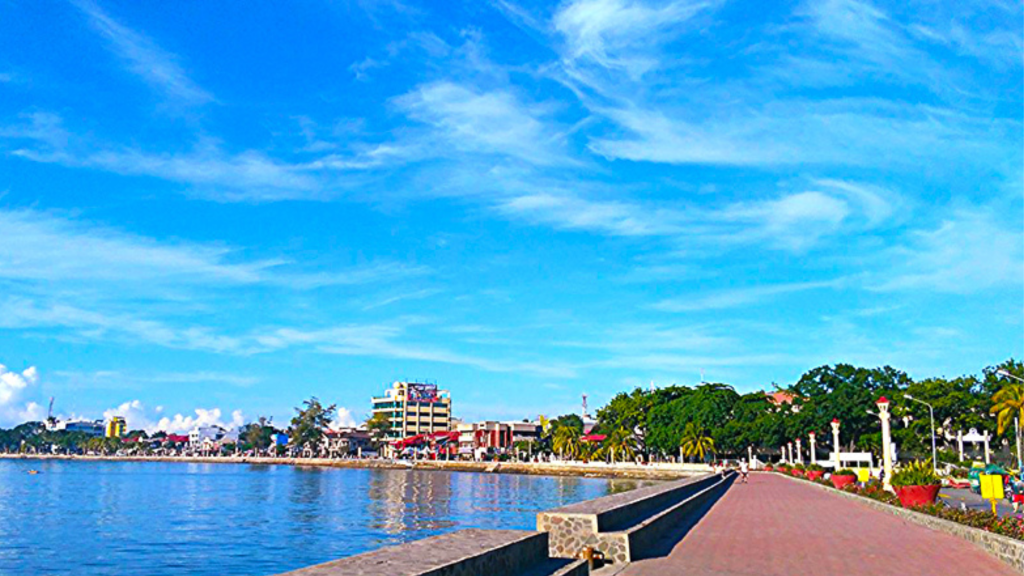
Recently recognized as one of Asia’s most budget-friendly retirement destinations, Dumaguete continues to rise in popularity.
Why people love it:
A university town anchored by Silliman University, Dumaguete has an intellectual, relaxed atmosphere with plenty of cafés and coastal views.
Retiree advantage:
Healthcare is affordable and accessible, making it one of the best healthcare-to-cost locations in the Visayas. Many retirees enjoy daily walks along Rizal Boulevard, while nearby Dauin offers some of the country’s best diving.
Connectivity:
Recent fiber-to-the-home expansion has dramatically improved internet stability, bringing speeds comparable to major urban centers at a fraction of the cost.
Baguio: The Creative Highland Retreat
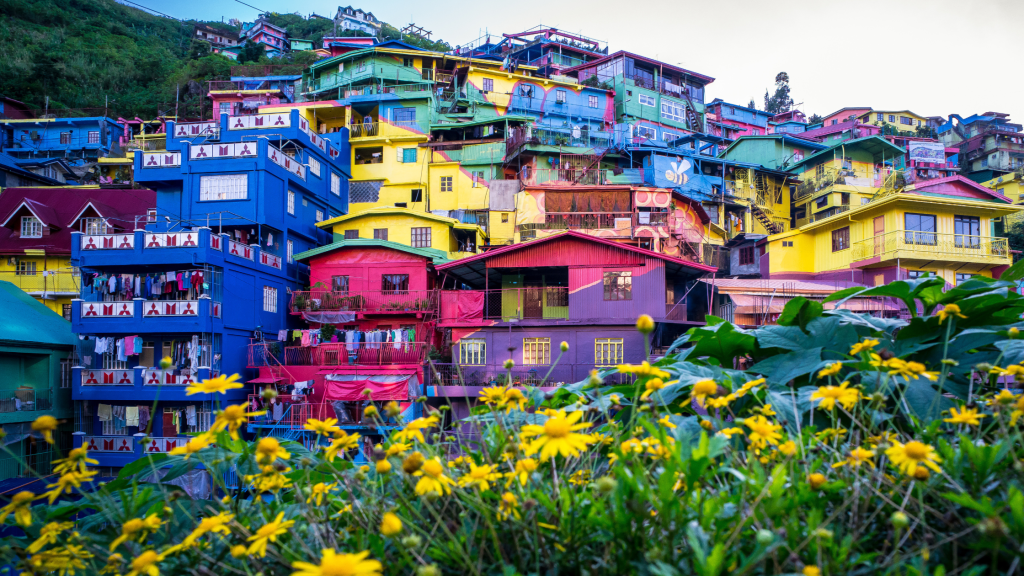
For retirees who prefer cooler weather, Baguio provides a refreshing alternative to the tropical heat.
Why people love it:
Located about 1,500 meters above sea level, Baguio offers year-round cooler temperatures and a thriving arts and coffee culture. It’s also recognized as a UNESCO Creative City.
Retiree advantage:
Fresh produce arrives daily at the city’s public market, and community events like Session Road Sundays—when the main street closes to cars—create a lively, walkable environment.
Connectivity:
Despite its mountain location, Baguio now benefits from strong 5G coverage and reliable internet infrastructure that supports remote work and video conferencing.
Iloilo City: Clean, Green, and Well-Planned
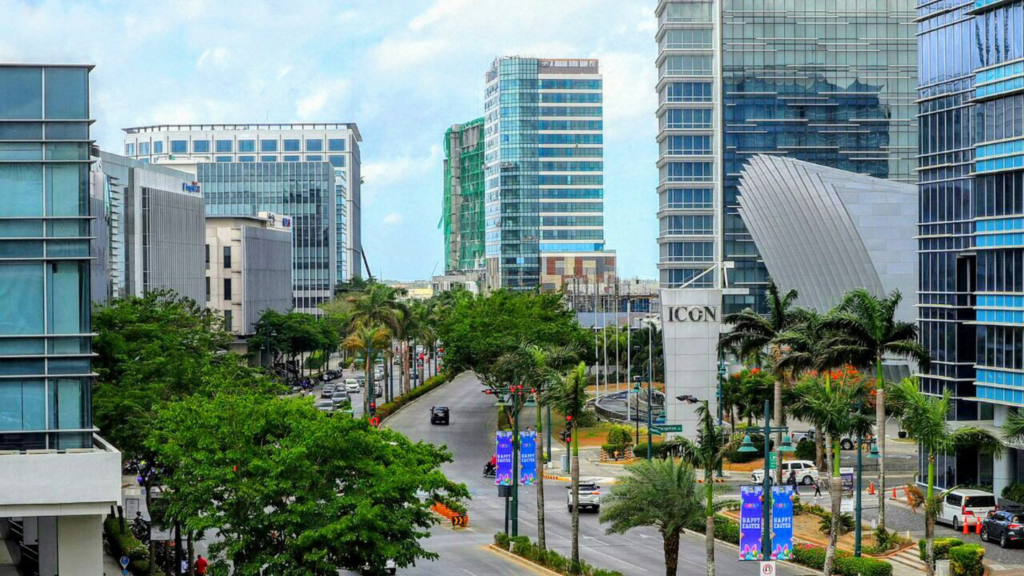
Iloilo has quietly become one of the most livable cities in the Philippines.
Why people love it:
With thoughtful urban planning and less congestion, Iloilo offers the conveniences of a major city without the stress of Metro Manila.
Retiree advantage:
The Iloilo Esplanade—the longest linear park in the country—offers miles of scenic walking paths. The city also hosts several modern hospitals and a growing dining and cultural scene.
Connectivity:
Business districts such as Mandurriao feature modern coworking spaces and strong broadband infrastructure designed for professionals working remotely.
Cebu City: The Ideal Balance
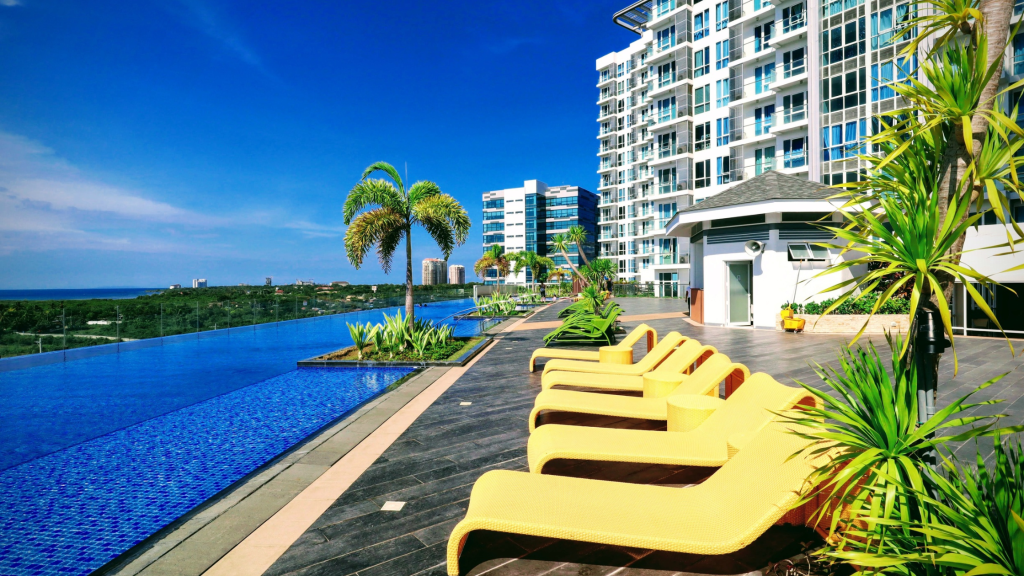
For retirees who still want a major urban environment, Cebu offers a middle ground between city life and island living.
Why people love it:
Cebu’s international airport connects directly to major destinations across Asia and the Middle East, making travel far easier than routing through Manila.
Retiree advantage:
Many retirees choose high-end condominiums in IT Park for walkability and modern amenities, while Mactan’s beaches are only a short drive away.
Connectivity:
IT Park remains the technology hub of the Visayas, offering some of the most reliable internet infrastructure and backup power systems in the region.
Tagaytay: The Convenient Escape
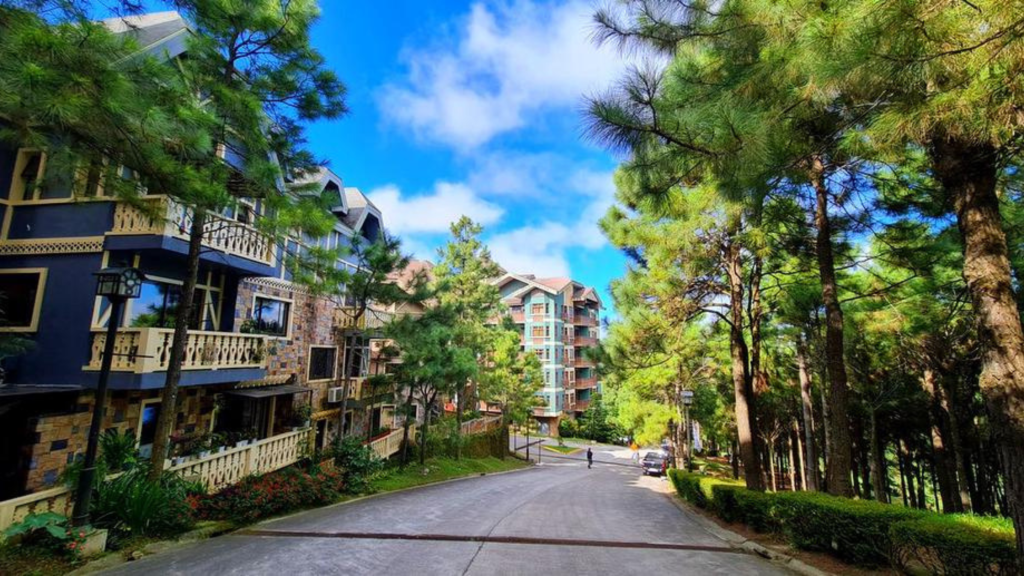
For retirees who still need occasional access to Manila, Tagaytay offers proximity without the daily stress of the capital.
Why people love it:
The cool climate and panoramic views of Taal Volcano make Tagaytay one of the country’s most scenic places to live.
Retiree advantage:
The area has become a growing wellness and healthcare hub, with clinics and retreat centers that cater to long-term residents.
Connectivity:
Because it’s a popular weekend destination, infrastructure continues to improve. Many cafés and residential communities now support high-speed internet and backup connectivity solutions.
Why Many Retirees Are Leaving Manila
Manila still offers unmatched access to embassies, shopping, and international services. However, many SRRV holders are prioritizing three factors the capital struggles with:
Air quality: Heat and pollution can make long-term living uncomfortable.
Traffic: Daily congestion often consumes hours that could be spent working, relaxing, or exploring.
Cost of living: A lifestyle that may cost around $3,000 per month in Manila can often be maintained for roughly $1,500–$1,800 in many provincial cities.
Thinking About the Move?
Retirement in the Philippines today can look very different from the traditional picture. Whether you’re drawn to the cool mountain air of Baguio, the coastal calm of Dumaguete, or the vibrant urban lifestyle of Cebu, there are more options than ever.
At Enhance Visa, we don’t just assist with the application process—we help you explore where your next chapter might feel most at home.